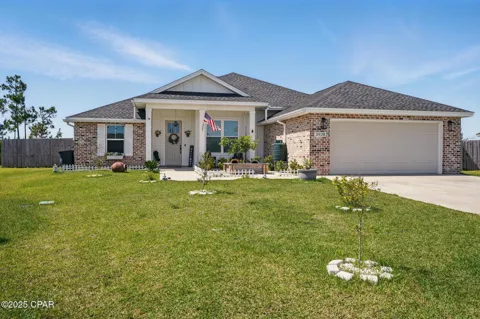
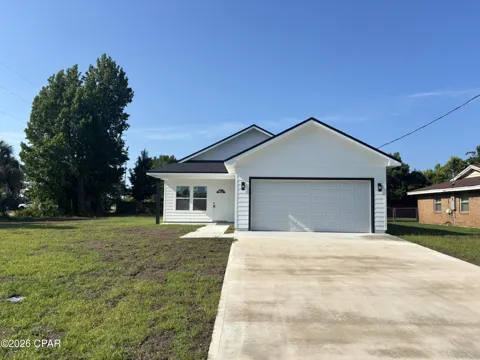
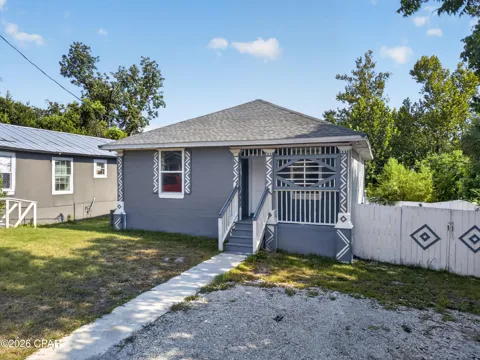
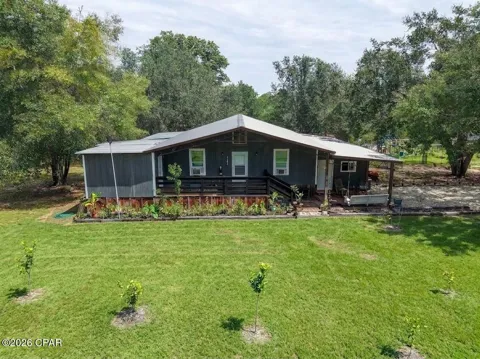
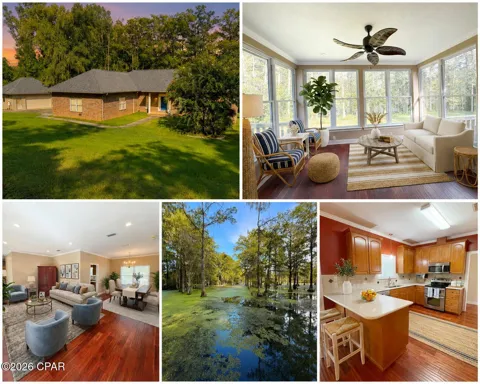
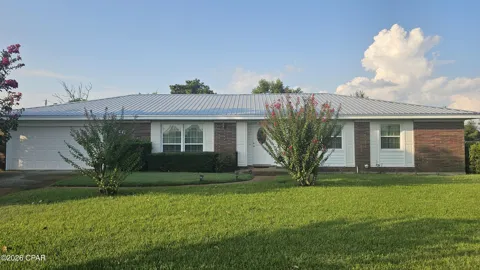
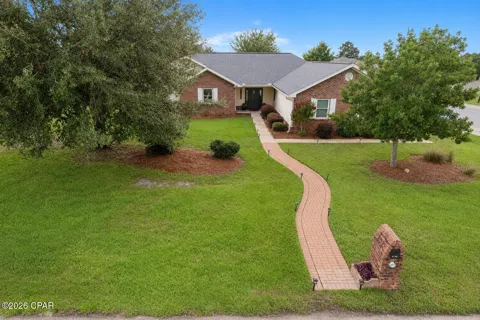
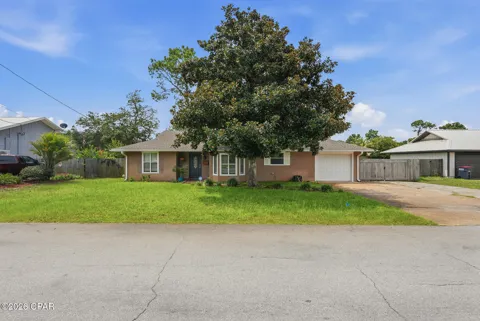
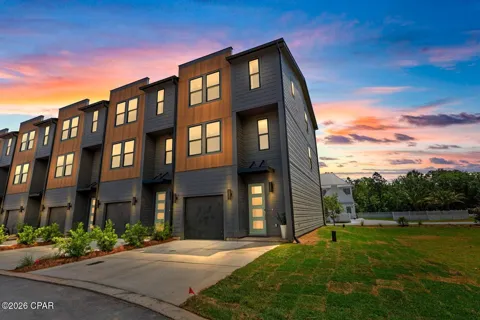
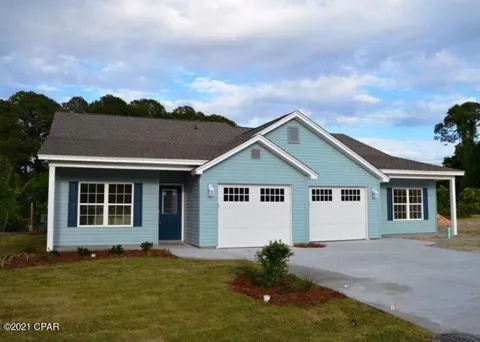
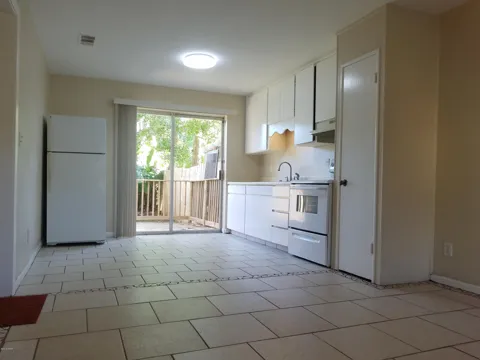
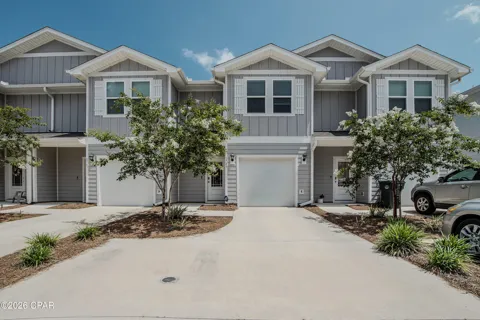
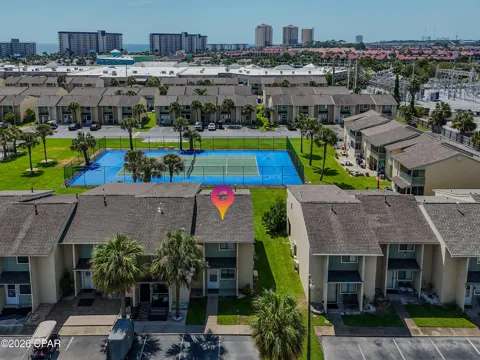
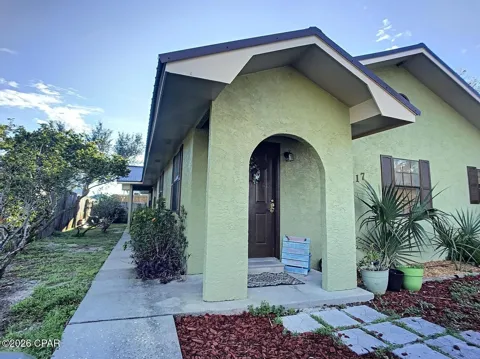
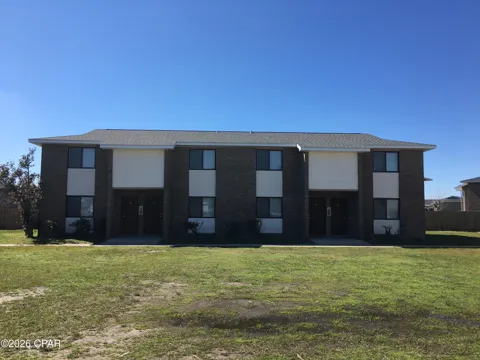
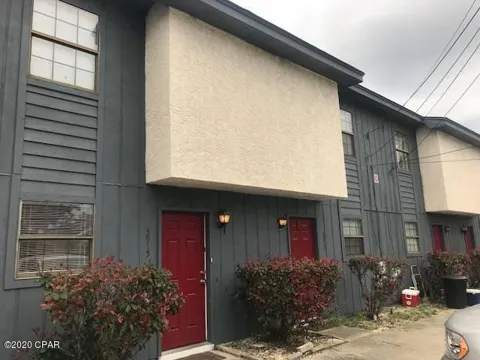
For sale
Houses in Tallahassee, FL
Handpicked properties hitting the scene in your area.
State Capital of Florida
Welcome to Tallahassee, the Florida capital where rolling hills, two flagship universities, and hundreds of miles of trails shape daily life in the Big Bend.
Tallahassee is the capital of Florida and the county seat of Leon County, the only incorporated municipality in that county. Located in the state's Panhandle within the Big Bend region, it sits roughly 20 miles inland from the Gulf of Mexico and is the largest city between Pensacola and Jacksonville. Chosen as the capital of the Florida Territory in 1824, it has grown into a government and education center rather than the tourism-driven destination that characterizes much of southern Florida. Physically, Tallahassee departs from the flat, tropical image of the state. The city occupies a hilly, live-oak-shaded landscape that experiences four distinct seasons, a reflection of its location near the southern Appalachian foothills. This setting, combined with a mature tree canopy, gives many of its neighborhoods a distinctly Southern, park-like character. The economy is anchored by state government and higher education. Florida State University, Florida A&M University (a historically Black university founded in 1887), and Tallahassee State College employ thousands and draw students from across the region and beyond. Government offices, lobbying firms, and a growing professional-services sector round out the employment base, lending the city a steady, institutional rhythm that contrasts with boom-and-bust resort markets. Residents tend to be a mix of longtime locals, state employees, and a sizable student population, with faculty and professionals gravitating toward the historic neighborhoods around Midtown and Myers Park. The city is well suited to those who want the cultural and educational amenities of a capital city, generous green space, and a cost of living below that of Florida's larger coastal metros.
Tallahassee is the county seat of Leon County, and it is the only incorporated municipality within the county. The city sits in the Florida Panhandle, in the Big Bend region, roughly 20 miles inland from the Gulf of Mexico.
Tallahassee is known as the capital of Florida and for its two universities, Florida State University and Florida A&M University. It is also recognized for its rolling, forested hills, which contrast with the flat terrain of much of southern Florida, and for an extensive network of parks and trails.
Tallahassee is home to Florida State University, a large public research university; Florida A&M University, a historically Black university founded in 1887; and Tallahassee State College, which offers associate and select bachelor's degrees with transfer pathways to both universities.
Tallahassee International Airport serves the capital and surrounding Big Bend region with regional and connecting commercial flights. It is located on the southwest side of the city, with major access from Capital Circle and nearby highways.
No. Tallahassee sits on a hilly, forested landscape near the southern end of the Appalachian foothills and experiences four distinct seasons. Its rolling terrain, mature live oaks, and dense tree canopy give the city a distinctly Southern, park-like character unlike the tropical flatlands of southern Florida.
City Guide
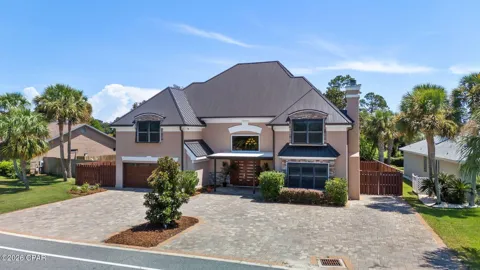
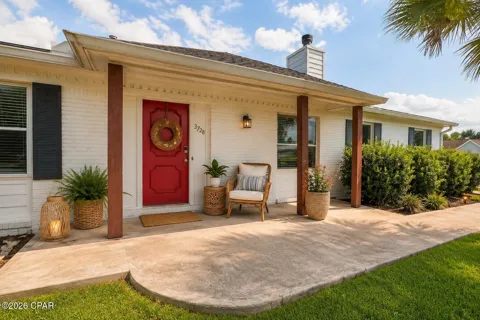
Tallahassee's housing stock reflects its long history as a government town. Neighborhoods such as Myers Park, Los Robles, and the areas around Lafayette Park feature early-to-mid-20th-century homes, including Colonial Revival, Craftsman, and ranch styles, often set on generous lots beneath mature oaks and magnolias. Midtown offers a concentration of historic single-family homes near local retail and parks. Beyond the central core, later-20th-century subdivisions and newer planned communities extend toward the northeast and along the Thomasville Road and Apalachee Parkway corridors. Because the universities and state government supply steady demand, the market spans from modest student-oriented housing near campus to larger established homes in the leafy central districts.
Tallahassee's central neighborhoods give the city much of its identity. Midtown runs north from downtown along the Monroe and Thomasville corridors, mixing restored historic homes with shops and restaurants. Myers Park and Los Robles are among the city's oldest residential districts, known for stately houses and tree-lined streets. Lafayette Park, adjacent to Tallahassee Memorial Hospital, pairs historic homes with a neighborhood green. To the west, Frenchtown and Levy Park hold deep cultural history. Collegetown sits immediately adjacent to Florida State University as a walkable, student-oriented district, while the Railroad Square Art District has converted old warehouses into galleries, studios, and performance spaces.
Life in Tallahassee is shaped by the presence of two universities and the state government. Football and campus culture run through the fall, while the Railroad Square Art District and downtown venues provide year-round arts, music, and dining. The city's restaurant scene spans longtime Southern institutions, barbecue, and seafood from the nearby Gulf coast, alongside an expanding set of newer kitchens. The academic calendar gives the town an energetic seasonal rhythm, with events, lectures, and performances open to the public. For many residents, the draw is a blend of small-city ease, collegiate energy, and access to the outdoors that larger Florida metros lack.
Higher education defines Tallahassee more than almost any other Florida city of its size. Florida State University is a large public research university, while Florida A&M University is one of the nation's historically Black universities, founded in 1887. Tallahassee State College provides two-year and bachelor's degree programs with transfer pathways to both universities. Public K-12 education is operated by Leon County Schools, and the city also hosts specialized options such as Florida State University School, a K-12 charter laboratory school. The concentration of institutions creates a broad pipeline from early education through graduate study and sustains a sizable academic workforce.
Tallahassee is served by Tallahassee International Airport, which offers regional and connecting commercial service on the city's southwest side. Interstate 10 crosses the northern edge of the metro, linking the capital to Jacksonville to the east and Pensacola and the rest of the Gulf Coast to the west, while U.S. Highways 27, 90, and 319 radiate through the region. Within the city, the major corridors of Thomasville Road, Apalachee Parkway, and Monroe Street carry most local traffic. Because the city is compact and the universities concentrate activity near downtown, many residents manage relatively short commutes compared with Florida's larger metros.
Tallahassee markets itself around an unusually extensive trail network, sometimes nicknamed "Trailahassee," with hundreds of miles of hiking, biking, equestrian, and paddling routes across the region and more than 80 parks within city limits. Tom Brown Park and Lafayette Heritage Trail Park anchor mountain-biking and multi-use trails on the east side, while Cascades Park provides a landscaped downtown green with an amphitheater and splash pad. Nearby rivers, springs, and the Gulf coast extend the outdoor offerings, and the city's rolling, forested terrain supports birding and paddling throughout the year. Recurring community events, arts festivals, and university athletics round out the recreational calendar.
MARKET SNAPSHOT
How homes have been selling here over the last 90 days.
Market data reflects closed sales over the last 90 days and is provided for informational purposes.
For sale
Handpicked properties hitting the scene in your area.
For sale
Handpicked properties hitting the scene in your area.
For sale
Handpicked properties hitting the scene in your area.
BROWSE BY ZIP
Browse listings by postal code in this area.
732 Ohio Ave Lynn Haven, FL 32444